How Waterfront Property Developments Are Battling Rising Seas
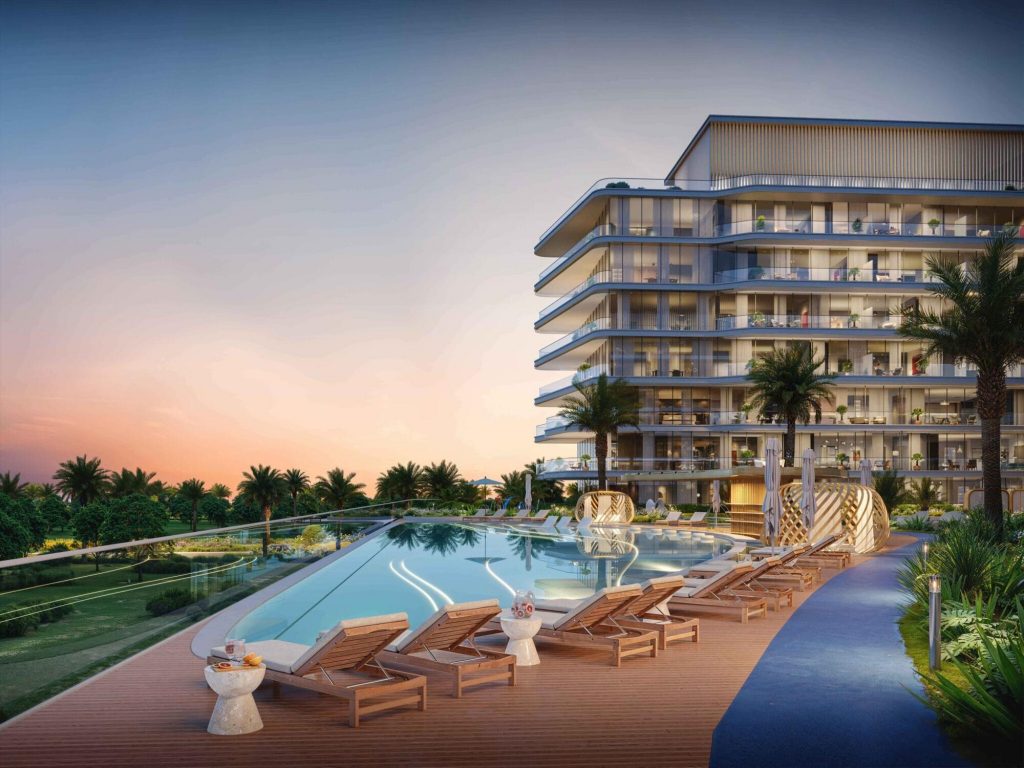
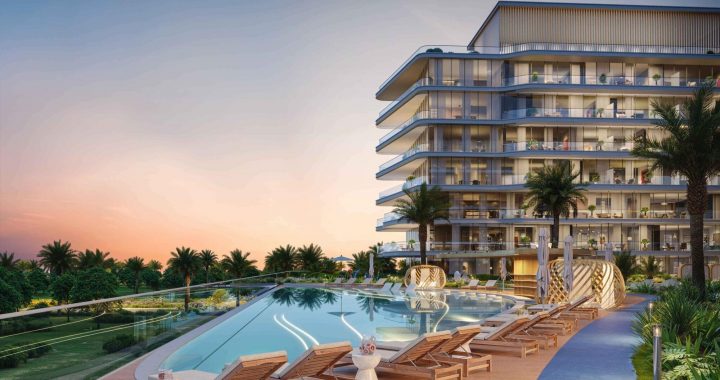
Waterfront living has long attracted buyers with open views, fresh air, and easy access to the coast. Rising sea levels are changing the rules for developers, who now have to design buildings that can handle stronger storms, tidal flooding, and higher water levels.
Modern projects are using stronger structures, raised foundations, flood barriers, and drainage systems. These efforts help protect homes and investments, with Prescott offering a useful reference point for coastal property discussions.
Raising buildings above flood levels
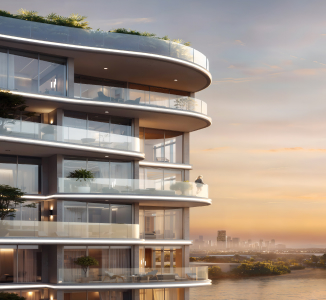
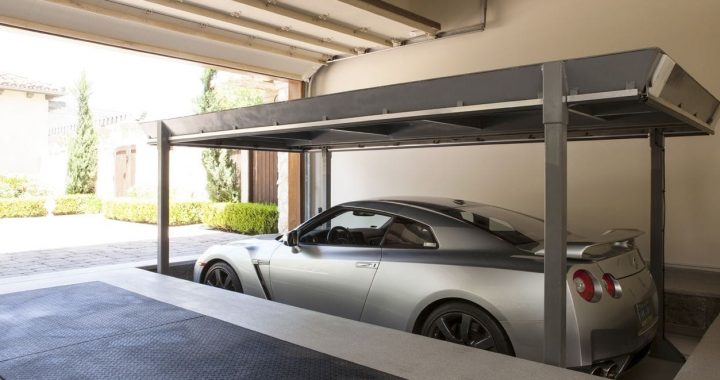
One practical solution is placing homes and commercial spaces higher above ground. Elevated foundations help keep living areas away from floodwater during storms. Some projects use raised platforms, reinforced columns, or higher ground floors. Parking areas may sit below the main living spaces, allowing water to pass beneath the building with less damage.
Stronger barriers around waterfront sites
Developers are also adding barriers to reduce the impact of waves and storm surges. Seawalls, flood gates, and reinforced embankments help protect buildings during extreme weather. Modern barriers are designed to work with drainage systems so trapped water has an outlet. These systems give properties an extra layer of protection during severe coastal events.
Better drainage and water control
Heavy rainfall can become a serious problem when it combines with rising tides. Waterfront projects are installing larger drainage pipes, pumping stations, retention areas, and flood storage spaces. Smart sensors can monitor water levels and alert property managers when conditions become dangerous. Quick responses help reduce damage to buildings, roads, parking areas, and shared facilities.
Materials built for harsh conditions
Saltwater and constant moisture can damage concrete, metal, wiring, and other building components. Developers are selecting materials that resist corrosion and moisture damage. Protective coatings, treated metals, sealed electrical systems, and durable concrete mixes can extend the service life of buildings. These choices also reduce repair work after storms and flooding.
Designing with future risks in mind
Coastal projects are also changing their layouts. Ground floors may include storage, parking, or open spaces instead of bedrooms and offices. Critical equipment such as electrical panels and generators can be installed on higher levels. Roads and access points may also sit above expected flood levels, helping residents reach their homes during difficult conditions.