Why Stone Dials Are Capturing The Attention Of Watch Enthusiasts
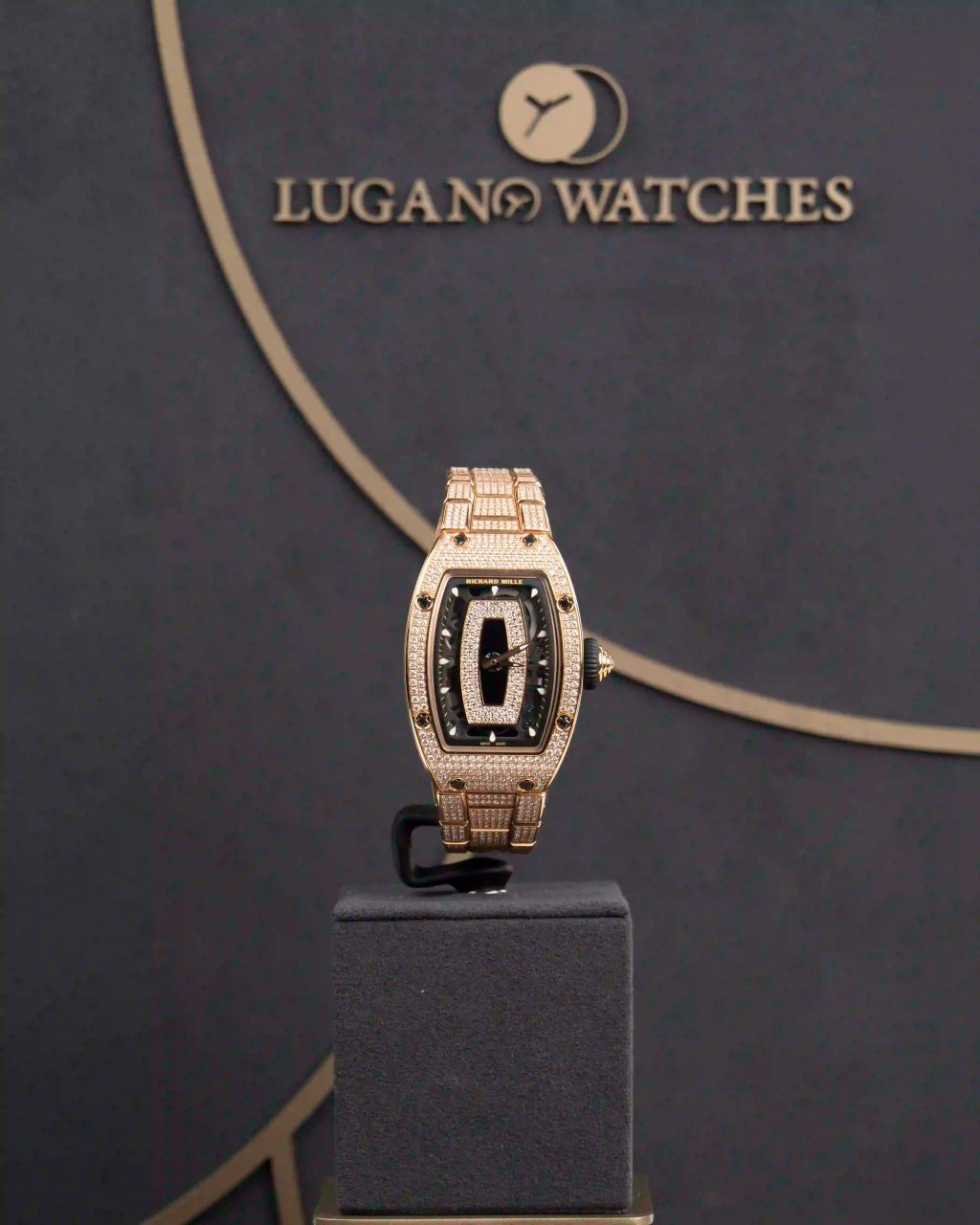
Mineral patterns frozen in time now replace conventional metallic faces on prestigious wristwear. Collectors search for dials cut from agate, jasper, or malachite. Each slab offers distinct color variations and natural veining.
These geological formations create a canvas impossible to replicate by machine. The growing fascination with stone surfaces signals a return to organic authenticity in fine watchmaking. This emerging trend commands attention across every high-end luxury watch showroom.
Unique natural patterns:
No two stone dials share identical markings or color distributions. Each slice reveals millions of years of geological activity captured in solid form. Some display swirling bands while others feature sharp crystalline edges. This natural variety guarantees absolute exclusivity for every timepiece produced. Owners possess a fragment of earth’s history on their wrists. Mass production cannot duplicate such organic diversity.
Light interaction properties:
Stone surfaces react differently to ambient lighting conditions throughout the day. Translucent materials like onyx allow light to pass softly through their layers. Opaque stones reflect brightness with a subtle internal glow. These shifting visual effects create constant novelty for the wearer. The dial appears to change character from morning to evening. This dynamic quality keeps each viewing fresh and engaging.
Tactile sensory experience:
Polished stone offers a cool, smooth texture against the fingertips. The material maintains temperature differently than metal or ceramic surfaces. Natural variations in density produce slight irregularities in surface feel. Running a finger across the dial reveals microscopic valleys and peaks. This physical connection deepens appreciation for the material’s origin. The sensation adds a meditative quality to daily time-checking routines.
Durability and longevity:
Hardened minerals resist scratches and wear better than painted metal dials. Crystalline structures maintain their appearance for decades without fading. Properly sealed stone withstands moisture and temperature fluctuations effectively. These materials retain their beauty across generations of use. The inherent toughness ensures the dial remains pristine indefinitely. Long-term preservation attracts collectors seeking heirloom-quality pieces.
Artisanal craftsmanship:
Cutting and shaping stone requires specialized skills passed down through generations. Master craftsmen select rough blocks and determine optimal cutting angles. Each dial undergoes careful polishing to reveal its deepest chromatic richness. The process demands patience and intimate material knowledge. Flawed pieces get discarded during multiple quality inspections. This labor-intensive approach honors traditional lapidary arts in modern watch construction.